
Featured Seed/Plant
Meet Borage: A Pollinator Powerhouse
FeatureWhy It Matters to Your Garden
Rapid Nectar Refill: Borage refills its nectar wells every 2-5 minutes, providing a near-endless food supply for visiting insects
The "Blue Cue" : Bees are naturally drawn to the blue spectrum. These vibrant, star-shaped blooms act as an irresistible neon sign for foragers
Long-Blooming Support: Produces continuous blossoms from early summer to first frost, feeding pollinators when other food sources grow scarce.
The Ultimate Companion : Attracts predatory wasps and hoverflies whose larvae consume common pests like aphids and tomato hornworms.
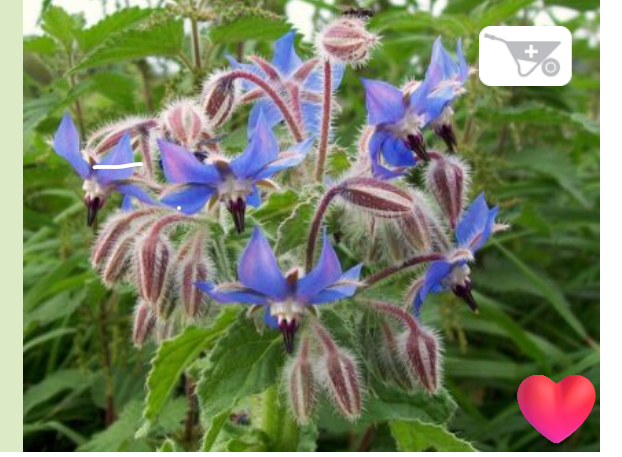
A Companion Plant Superstar
The Borage Benefits
Pollinator Magnet: Its star-shaped blue flowers produce massive amounts of fast-refilling nectar, keeping bees buzzing directly to your fruiting crops.
Companion Superstar: Elevates the flavor and yield of nearby strawberries while actively repelling tomato hornworms and cabbage pests.
Free Organic Fertilizer: The deep taproot pulls potassium and trace minerals from deep underground into its leaves. Chop them down to use as a nutrient-rich mulch or compost booster.
Edible & Beautiful: Both the fuzzy young leaves and brilliant blue blossoms are edible, offering a crisp, refreshing cucumber flavor perfect for summer salads and cocktails.
Soil Breaker: Heavy clay? The thick roots naturally aerate compacted dirt, leaving behind channels that improve drainage for next season.